
ATM Sabotage Analysis — Protecting Cashpoints with Smart Vision
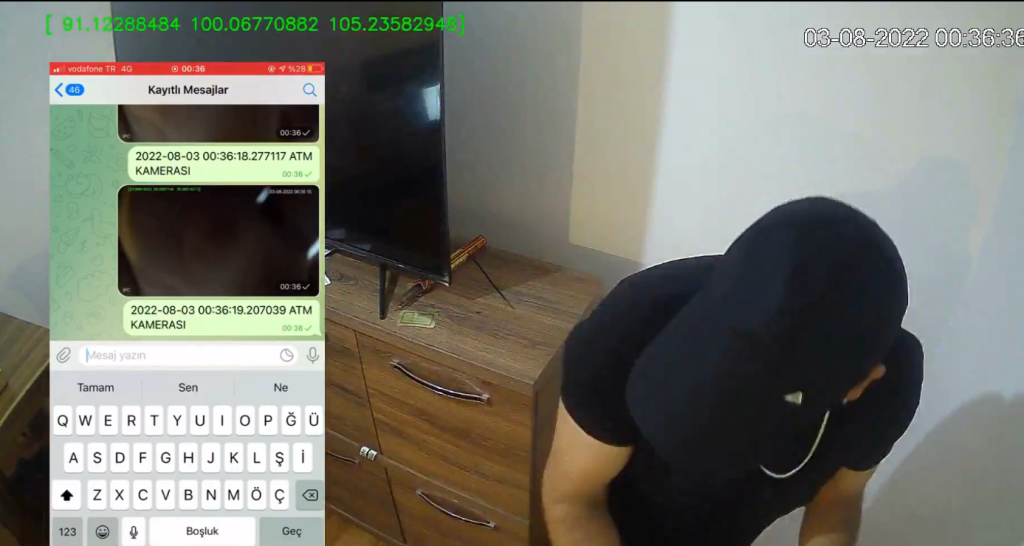
In the world of unattended cashpoints, even a few seconds of tampering can have serious consequences. ATM Sabotage Analysis combines video analytics, sensor monitoring and instant messaging to detect attempts to disable, obscure or manipulate ATM cameras and devices — and to alert operators the moment suspicious activity begins.
What is ATM Sabotage Analysis?
ATM Sabotage Analysis is a security solution that uses camera-based computer vision, tamper/occlusion sensors and behavior detection to spot incidents such as camera covering, lens obstruction, physical tampering, and the presence of masked or disguised persons. When an event is detected, the system sends immediate notifications (SMS/WhatsApp/email/central alarm) and logs the incident for forensic review.
Core Components
- Occlusion & Tamper Detection: Image-based checks and dedicated tamper sensors detect when a camera is covered, spray-painted, angled away, or physically blocked.
- Mask / Disguise Detection: AI models flag faces that are partially or fully masked, or exhibit suspicious concealment patterns near the ATM.
- Behavioral Alerts: Loitering, repeated close-up interactions with the camera, or tools/objects used near the reader are detected as high-risk behaviors.
- Instant Notification Engine: Configurable alerts push messages to operators and security teams with timestamped snapshots and short clips.
- Event Logging & Evidence Pack: All detections are saved with video clips, metadata and sensor logs to support rapid response and criminal investigations.
Advantages of Sabotage Analysis
- Immediate awareness: Operators receive prompt, actionable alerts so they can block transactions, trigger on-site guards, or notify law enforcement.
- Reduce fraud & physical damage: Early detection prevents longer attacks that lead to skimming, card trapping or camera destruction.
- Forensic quality evidence: Time-stamped clips and logs improve investigation and prosecution chances.
- Low false-alarm rate: Combination of vision + sensor + behavior heuristics reduces nuisance alerts.
- Remote management: Alerts, device health and reconfiguration can be managed centrally, reducing site visits.
Use Cases
- ATMs in kiosks, retail lobbies and outdoor locations.
- Drive-thru or unattended payment terminals.
- High-risk locations with historical tampering or vandalism.
Conclusion;
ATM Sabotage Analysis adds a proactive layer of defense to cashpoint security — detecting concealment, tamper and suspicious behavior early, delivering instant alerts and reliable evidence so operators can act fast and reduce losses.