
In-Store Heat Mapping: The Key to Understanding Customer Behavior
In today’s retail world, data analysis has become more important than ever for improving customer experience and increasing sales. In this context, in-store heat mapping stands out as an effective method for understanding customer behavior and shopping patterns.
What Is a Heat Map?
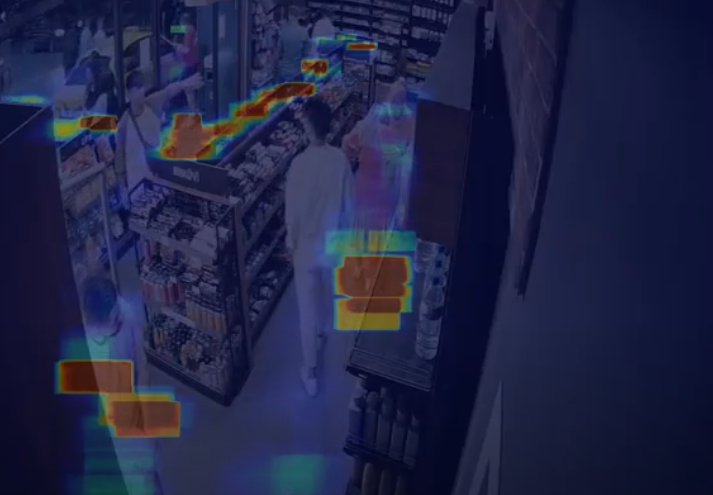
A heat map is a tool that visualizes variations in activity or presence within a specific area. In a retail environment, these maps show where customers spend the most time, which products they examine, and which zones attract the most attention. Heat maps are typically represented with color codes—warm colors (red, yellow) indicate areas of high interest, while cool colors (blue, green) represent zones with lower engagement.
Core Components of In-Store Heat Mapping
- Data Collection: To create a heat map, sensors or cameras track customer movements throughout the store, recording how long they stay in specific areas.
- Analysis: The collected data is analyzed to identify customer density and movement patterns. This analysis reveals the most popular zones and products within the store.
- Visualization: The analysis results are transformed into color-coded graphics or maps. These visualizations help store managers and marketing teams make informed strategic decisions.
Advantages of Heat Mapping
- Understanding Customer Behavior: Heat maps provide insights into which products attract the most attention and which areas are avoided, allowing optimization of store layout.
- Improved Product Placement: Based on customer density, product placement can be reorganized. Popular products can be positioned in more visible and accessible locations.
- Enhanced Marketing Strategies: Heat maps reveal where campaigns and promotions are most effective, enabling more targeted marketing approaches.
Conclusion;
In-store heat mapping is a powerful tool for enhancing the customer experience and increasing sales. The data it provides on customer behavior helps store managers make strategic, evidence-based decisions.
Ultimately, analyzing customer movements and interests within the store is a critical step toward gaining a competitive edge in the retail sector. Effective use of heat maps leads to a better shopping experience and higher customer satisfaction.